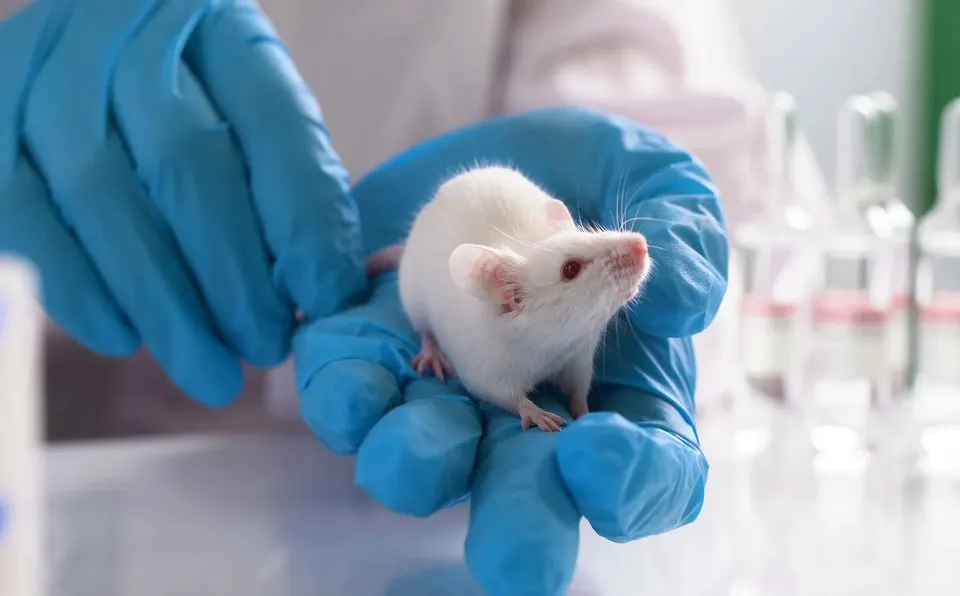
While society has often promoted good treatment of human beings, animal interests have largely escaped sufficient consideration. Human suffering is strictly prohibited in many states while animal mistreatment has increased over the last decades (Swallow, 2024). Their interests are constantly deemed unimportant in several environments. As examples, their interests become seriously violated in animal research, and their rights are ignored in slaughterhouses and Concentrated Animal Feeding Operations (CAFOs). All this maltreatment seems to suggest the existence of a natural hierarchy, where animals are at the bottom and viewed as means rather than ends while humans exist at the top and are viewed as ends rather than means. While human welfare sometimes demands placing human interests ahead of animal interests, requiring animals suffer in the name of human interests demands reform. When asking whether we should treat animals well for whatever reason, it prompts the question of what “treating animals well” means. In light of discussing animal interests and rights, let us assume that treating animals well means that animals do not undergo undue suffering.
Animals are sentient, and can therefore consciously perceive suffering, just as humans do (Animal Ethics, 2014). Considering their capacity to experience, animals have interests and an equal stake in this world. Certainly, granting rights to animals can restrict human activities. Regardless, we should be proactive in minimizing the mistreatment of all animals, even if this commitment demands great change. Because of the widespread belief that humans supersede animals in ability and interest, it can be hard granting equal moral consideration. However, we should treat them with the same respect we give to other human beings, recognizing their interests as significant and affording them rights in accordance with their interests.
Animal Interests
When we first encounter the argument surrounding better animal treatment, we are often inclined to consider a being’s cognitive ability. After all, it seems sensible that intelligent animals like an octopus deserve more moral consideration whereas simpler animals receive less concern. For the purposes of this argument, moral consideration falls in line with “moral status,” where beings “have one’s welfare-related interests…factored into the calculus that determines which action brings about the greatest utility, and is thus morally best” (Jaworska & Tannenbaum, 2013). What this means is we must balance an animal’s welfare and interests with what best serves the whole of society.
However logical this argument seems, it is rarely brought to fruition. Though we see intelligent beings as more valuable, our routines never reflect this, instead seeing animals as inferior. Today, many social frameworks cannot operate if all creatures were granted such consideration; industries like agriculture, cosmetics, and pharmaceutical development deeply utilize animals (Monsó et al., 2018). In the case that their rights protect their agency and autonomy, traditional practices like animal research will become heavily affected. Even so, this conclusion is premature: we cannot simply justify better treatment because of one’s mental capacities.
Animals were all once thought of as biological automations lacking souls or moral judgement, though modern studies now strongly suggest otherwise (BBC, 2014). Contemporary research has dramatically improved our knowledge of animals (Nussbaum, 2023). Experiments have uncovered animals’ capacity to experience emotion; animal intelligence is self-evident (Nussbaum, 2023). Lately, we have learned not only the existence of social groups and organization among animals, as well as the presence of complex social learning which occurs within these circles (Nussbaum, 2023). Certainly, animals lack some higher cognitive capacities exercised by humans such as normativity or complex cultural development (Gruen, 2024). Regardless, through comparisons of our cognitive abilities and the nature of our shared activities, it seems reasonable that animals are given comparable consideration to humans. Especially when examining our closest living ancestors – primates – who exercise moral judgement fairly similarly to us (Burkart et al., 2018).
However, not all animals in the natural world are comparable. Animals each exercise varying degrees of moral judgement and higher-level cognitive capacities. Putting this into consideration, it still seems rational to fluctuate our moral consideration depending on an animal’s intelligence. Unfortunately, we neglect one important detail. Different humans also share dissimilar cognitive capacities. But humans frequently accommodate people of different abilities. Consider the exceptional case of ‘marginal beings’. In animal rights circles, marginal beings categorise individuals who are incapable of free moral judgement (BBC, 2014). This label could refer to senile beings, people with serious mental defects, babies, or individuals left in a coma (BBC, 2014). Despite differing cognitive capacities, most developed nations take pains to ensure equal treatment and consideration under the law for such individuals.
Marginal beings are not the only example of cognitive deviation. Rather, intelligence and cognitive variance exists rampant among the entire population. To illustrate, many younger children have a limited capacity for moral judgement in comparison to developed adults. Their moral consideration is limited to themselves, stemming from selfish and naive behavior. Does that mean children or people less capable of rational thought should deserve worse treatment? If we extend this exact question to all beings, regardless of species, it doesn’t seem rational now to exclude animals of lesser cognitive thought from moral status. While making the case for animals sharing equal moral status with humans is difficult, it is apparent that humanity could stand to treat these animals better, as befits developments in science and philosophy.
Prior to the scientific revolution, society saw animals as soulless, brutish beasts (BBC, 2014). Thinkers such as Descartes once assumed that animals were incapable of acting morally; they were selfish and only acted impulsively (BBC, 2014). Since animals were unable to reproduce moral thinking, it was assumed that they were undeserving of moral consideration (Gruen, 2024). With humans being the only rational beings, only human interests and rights would be considered important (Gruen, 2024). This prompts a serious question, however: why should moral agency be the basis for proper consideration? Indeed, many beings can be morally wronged, and they do not need to realize moral claims to suffer though (Gruen, 2024). Instead, a more morally relevant factor is sentience.
Sentience primarily outlines a being’s capacity to experience (Animal Ethics, 2014). Whereas automations can only mechanically react to sensory input, a sentient being can perceive the stimuli consciously. This concept of sentience is important when exploring morality since it delineates a being’s capacity to be affected positively or negatively by experiences; an animal can consciously experience the outcomes of an event with its life growing better or worse, but objects do not even experience (Animal Ethics, 2014). Consider the ‘life’ of a hammer; it can become damaged, but not exactly harmed since it cannot understand joy or suffering. This is a useful distinction when interpreting and examining the interests of animals.
Interests can be defined as anything beneficial for a being; interests are sought after since they promote a positive outcome for someone (Animal Ethics, 2014). When we engage in rational thought, we undergo consideration of other interests. This is what leads us to treat other people well: we respect them and value their needs, sometimes expecting equal treatment in return. Our treatment of other humans depends on their interests; our treatment of animals should, too.
Animals, at least highly developed animals and most mammals, have a level of sentience that enables them to experience pain and suffering just as humans do (Animal Ethics, n.d.). By expressing emotions, animals can illustrate their preferences; as an example, the expression of fear suggests an animal’s desire to maintain their autonomy and self-preserve (Animal Ethics, n.d.; Nussbaum, 2023). Though people would largely agree that sentient beings have interests, people often fail to recognize these needs as important. Consider when animal and human interests clash: The maltreatment of nonhuman animals in cases like animal testing and industrial agriculture are justified since it apparently supports our broader, human, interests. While animal interests are clearly there, it’s difficult for us to put our own interests aside.
Richard Ryder famously studied this phenomenon of ‘human centered prejudice’ which he coined as speciesism, where human interests are prioritised over the interests of different species (Gruen, 2024). This mindset is prejudicial since there’s no compelling rationale for discriminating based on species; similar to discrimination based on race, these factors are morally irrelevant (Gruen, 2024). Even when we consider cognitive capacities, a morally significant distinction between nonhumans and humans cannot be established. This evidence gestures towards an equal consideration of all interests, therefore affording animals protection from needless suffering.
Animal Rights
Animals are not living their best lives, and sufficient moral consideration has not been given. To remedy this, governments could extend relevant human rights to animals. While human exploitation also has a long history, the development of legal frameworks and recognition of human rights was what eventually discouraged these exploitative practices (United Nations, 2014). Paralleling this structure, animal rights could be established to grant better animal welfare.
The primary consideration would be animals under human influence. Animals that have been forced into society’s influence should be granted protection from pain and suffering through the form of rights. We have moral responsibility to these animals since we have direct relationships with these creatures; this prioritisation could target livestock, domesticated pets, and other work animals. However, animal rights shouldn’t extend to wildlife beyond humanity’s scope. While some people take it upon themselves to be the stewards of animals and other environmental bodies, extreme interventions might mean disturbing animal autonomy and ecological processes. In the wild, suffering is often caused by other natural factors, and humans should not be held responsible for suffering from causes not related to human interference in nature.
Not all human rights are morally relevant. Animals should be granted the same liberty and autonomy to pursue happy lives. However, certain social rights wouldn’t apply. To structure our treatment of animals, these rights should stem from their corresponding interests.
One of the relevant concerns associated with better animal treatment is the limits it poses on human activities (Gruen, 2024). In the scenario that an animal rights agenda is pushed, several animal-dominated industries would be forced to change. The meat and dairy sector would likely have to shift to plant-based alternatives. Cosmetic and pharmaceutical testing using animals would be banned, prompting reforms for product safety mechanisms.
Whereas speciesist and exceptionalist attitudes have propped up humankind to receive more moral consideration, these views are prejudicial as species membership bears no moral significance (Gruen, 2024). Likewise, when a human being is born in different countries, no person’s interests are more valuable than another’s. Hence, animal interests are just as valuable as human interests, which should afford them equal treatment.
When exploring human exceptionalism, it’s clear that animals operate more similarly to humans than most would expect. In fact, most cognitive capacities that we would traditionally think are unique to us are actually prevalent in the animal kingdom (Nussbaum, 2023). Then, when further considering animal sentience and interests, it seems illogical to dismiss animals as anything other than a subject of life. Though a perfect coexistence between animal and human interests may never exist, it doesn’t exactly justify dismissing one party’s interests. We should treat animals well to respect their interests and recognize their inherent rights. It’s crucial to realize that animals are not that different from us and shouldn’t be seen as lesser beings. Though we cannot expect animals to return the favour, or recognize moral claims, or even understand the concept of respect, they ought to be seen and treated as beings that can, since these capacities are superficial.
Since animals can consciously feel pain and pleasure, their suffering should be morally significant. Therefore, if it’s wrong for humans to suffer needlessly, then animals shouldn’t unduly suffer either. These interests are exactly what rights address. Humans don’t treat other humans well because we are forced to, we treat our peers well because we recognize they have interests. Our care isn’t enforced, it’s voluntary. Rights reinforce our willing respect and care for animals; they aren’t the primary reason behind treating animals well.
References
Animal Ethics. (n.d.). What is sentience. Animal Ethics. https://www.animal-ethics.org/what-is-sentience/
Animal Ethics. (2014, November 10). Animal interests. Animal Ethics. https://www.animal-ethics.org/animal-interests/
BBC. (2014). BBC - Ethics - Animal ethics: Animal rights. Www.bbc.co.uk. https://www.bbc.co.uk/ethics/animals/rights/rights_1.shtml
Burkart, J. M., Brügger, R. K., & van Schaik, C. P. (2018). Evolutionary Origins of Morality: Insights From Non-human Primates. Frontiers in Sociology, 3. https://doi.org/10.3389/fsoc.2018.00017
Gruen, L. (2024, August 12). The Moral Status of Animals. Stanford Encyclopedia of Philosophy. https://plato.stanford.edu/entries/moral-animal/
Jaworska, A., & Tannenbaum, J. (2013). The Grounds of Moral Status (Stanford Encyclopedia of Philosophy). Stanford.edu. https://plato.stanford.edu/entries/grounds-moral-status/
Monsó, S., Benz-Schwarzburg, J., & Bremhorst, A. (2018). Animal morality: What it means and why it matters. The Journal of Ethics, 22(3-4), 283–310. https://doi.org/10.1007/s10892-018-9275-3
Nussbaum, M. (2023, January 24). They can think, feel pain, love. Isn’t it time animals had rights? Harvard Gazette; Harvard University. https://news.harvard.edu/gazette/story/2023/01/they-can-think-feel-pain-love-isnt-it-time-animals-had-rights/
Swallow, B. (2024, August 1). Animal cruelty on a “sharp rise” in the West, says RSPCA. BBC. https://www.bbc.com/news/articles/cw0yvkwxxkno
United Nations. (2014). Human Rights and Human Trafficking. https://www.ohchr.org/sites/default/files/Documents/Publications/FS36_en.pdf